Exploring Innovations in 3D Metal Printing Technology
The world of manufacturing is undergoing a significant transformation, driven by advancements in technology. One of the most exciting developments in recent years is 3D metal printing. This innovative process is not just changing how we create metal parts; it is reshaping entire industries. From aerospace to healthcare, the applications of 3D metal printing are vast and varied. In this blog post, we will explore the latest innovations in this field, the benefits it offers, and the challenges that lie ahead.
What is 3D Metal Printing?
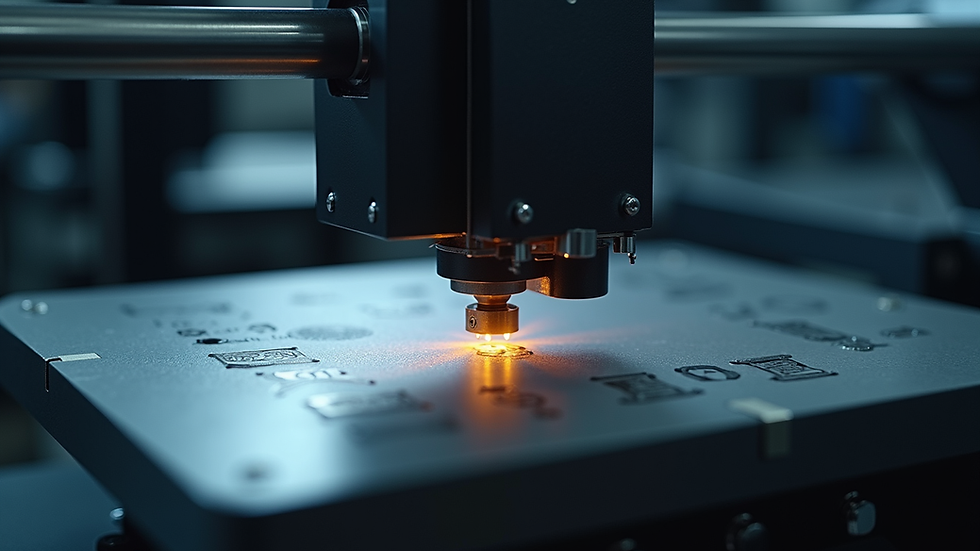
3D metal printing, also known as additive manufacturing, involves creating three-dimensional objects from metal powders. Unlike traditional manufacturing methods that often involve subtracting material from a solid block, 3D printing builds parts layer by layer. This process allows for complex geometries and designs that would be impossible or prohibitively expensive to achieve with conventional techniques.
Key Technologies in 3D Metal Printing
Several technologies are driving the advancements in 3D metal printing. Here are some of the most notable:
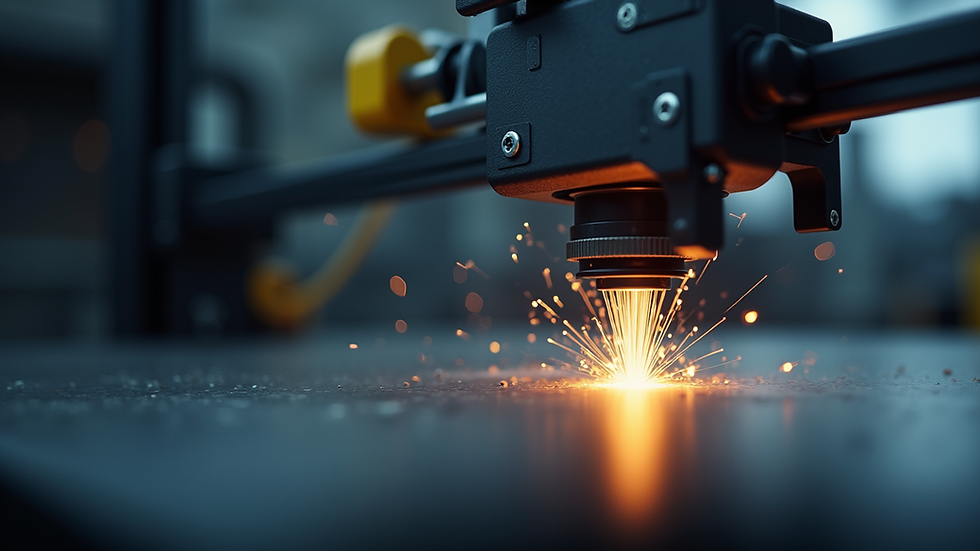
Selective Laser Melting (SLM): This technique uses a high-powered laser to melt and fuse metal powders together. SLM is known for its ability to produce highly detailed and strong parts.
Electron Beam Melting (EBM): Similar to SLM, EBM uses an electron beam instead of a laser. This method is particularly effective for high-temperature materials and is often used in aerospace applications.
Binder Jetting: In this process, a liquid binder is used to bond metal powders together. After printing, the part is sintered to achieve full density. Binder jetting is known for its speed and cost-effectiveness.
Directed Energy Deposition (DED): DED involves melting metal wire or powder as it is deposited onto a substrate. This method is often used for repairing or adding features to existing parts.
Benefits of 3D Metal Printing
The advantages of 3D metal printing are numerous and can significantly impact various industries. Here are some key benefits:
Design Freedom
One of the most significant advantages of 3D metal printing is the ability to create complex geometries that are not possible with traditional manufacturing methods. This design freedom allows engineers to optimize parts for performance and weight, leading to more efficient products.
Reduced Waste
Traditional manufacturing often involves cutting away material, leading to significant waste. In contrast, 3D printing uses only the material needed to create a part, resulting in less waste and a more sustainable manufacturing process.
Shorter Lead Times
3D metal printing can drastically reduce lead times for producing parts. With traditional methods, creating molds or tooling can take weeks or even months. In contrast, 3D printing can produce parts in a matter of hours or days, allowing for faster prototyping and production.
Customization
The ability to easily modify designs makes 3D metal printing ideal for producing customized parts. This is particularly beneficial in industries like healthcare, where personalized implants and prosthetics can be created to fit individual patients.
Applications of 3D Metal Printing
The versatility of 3D metal printing has led to its adoption across various industries. Here are some notable applications:
Aerospace
The aerospace industry has been at the forefront of adopting 3D metal printing technology. Companies like Boeing and Airbus are using it to produce lightweight components that reduce fuel consumption and improve performance. For example, GE Aviation has developed a fuel nozzle for its LEAP engine using 3D printing, which is 25% lighter than traditional designs.
Healthcare
In healthcare, 3D metal printing is revolutionizing the production of implants and prosthetics. Custom implants can be created to match the unique anatomy of patients, improving fit and comfort. Additionally, surgical tools and instruments can be produced quickly and tailored to specific procedures.
Automotive
The automotive industry is also leveraging 3D metal printing for prototyping and producing complex parts. Companies like Ford and BMW are experimenting with 3D-printed components to reduce weight and improve performance. For instance, BMW has used 3D printing to create lightweight brackets and fixtures for its vehicles.
Tooling and Manufacturing
3D metal printing is increasingly being used to produce tooling and fixtures for manufacturing processes. This allows for rapid prototyping and the creation of custom tools that can improve efficiency on the production floor.
Challenges Facing 3D Metal Printing
Despite its many advantages, 3D metal printing is not without challenges. Here are some of the key issues that need to be addressed:
Material Limitations
While the range of materials available for 3D metal printing is expanding, it is still limited compared to traditional manufacturing methods. Not all metals can be easily printed, and some materials may not achieve the same strength or durability as conventionally manufactured parts.
Quality Control
Ensuring the quality and consistency of 3D-printed parts can be challenging. Variations in printing parameters, such as temperature and speed, can lead to defects. Developing standardized testing methods and quality control processes is essential for widespread adoption.
Cost
While 3D metal printing can reduce waste and lead times, the initial investment in equipment and materials can be high. This may deter some companies from adopting the technology, especially small and medium-sized enterprises.
Regulatory Hurdles
In industries like aerospace and healthcare, regulatory approval can be a significant barrier to the adoption of 3D-printed parts. Ensuring that these parts meet safety and performance standards is crucial for gaining acceptance in these highly regulated fields.
The Future of 3D Metal Printing
The future of 3D metal printing looks promising, with ongoing research and development aimed at overcoming current challenges. Here are some trends to watch:
Advancements in Materials
Researchers are continually developing new metal alloys and composites specifically designed for 3D printing. These materials aim to enhance the properties of printed parts, making them stronger, lighter, and more durable.
Integration with AI and Machine Learning
The integration of artificial intelligence and machine learning into the 3D printing process can optimize printing parameters in real-time, improving quality and reducing defects. This technology can also aid in the design process, helping engineers create more efficient parts.
Increased Adoption Across Industries
As the technology matures and costs decrease, we can expect to see broader adoption of 3D metal printing across various industries. Companies that embrace this technology early may gain a competitive edge in their respective markets.
Sustainability Efforts
With growing concerns about sustainability, 3D metal printing offers an opportunity to reduce waste and energy consumption in manufacturing. As companies seek to improve their environmental impact, 3D printing may play a crucial role in creating more sustainable production processes.
Conclusion
3D metal printing is a transformative technology that is reshaping the manufacturing landscape. With its ability to create complex geometries, reduce waste, and shorten lead times, it offers significant advantages across various industries. While challenges remain, ongoing innovations and advancements in materials and processes are paving the way for a future where 3D metal printing becomes a standard practice in manufacturing. As we continue to explore the possibilities of this technology, it is clear that the potential for growth and improvement is vast. Embracing these innovations will not only enhance production capabilities but also drive the next wave of industrial evolution.
Comments